Do your gums bleed when you brush? Are you worried about the health of your teeth but not sure what type of cleaning you need?

Do your gums bleed when you brush? Are you worried about the health of your teeth but not sure what type of cleaning you need? These questions are more common than you might think! Knowing the difference between a regular teeth cleaning and a deep cleaning, also called periodontal treatment, can save you time, discomfort, and even potential tooth loss.
At Silvertooth Family Dental in Longview, TX, we’re all about creating a stress-free experience while keeping your smile healthy. Let’s dive into what sets these two dental cleanings apart and how we can help you feel confident about your oral health.
What Is a Regular Dental Cleaning?
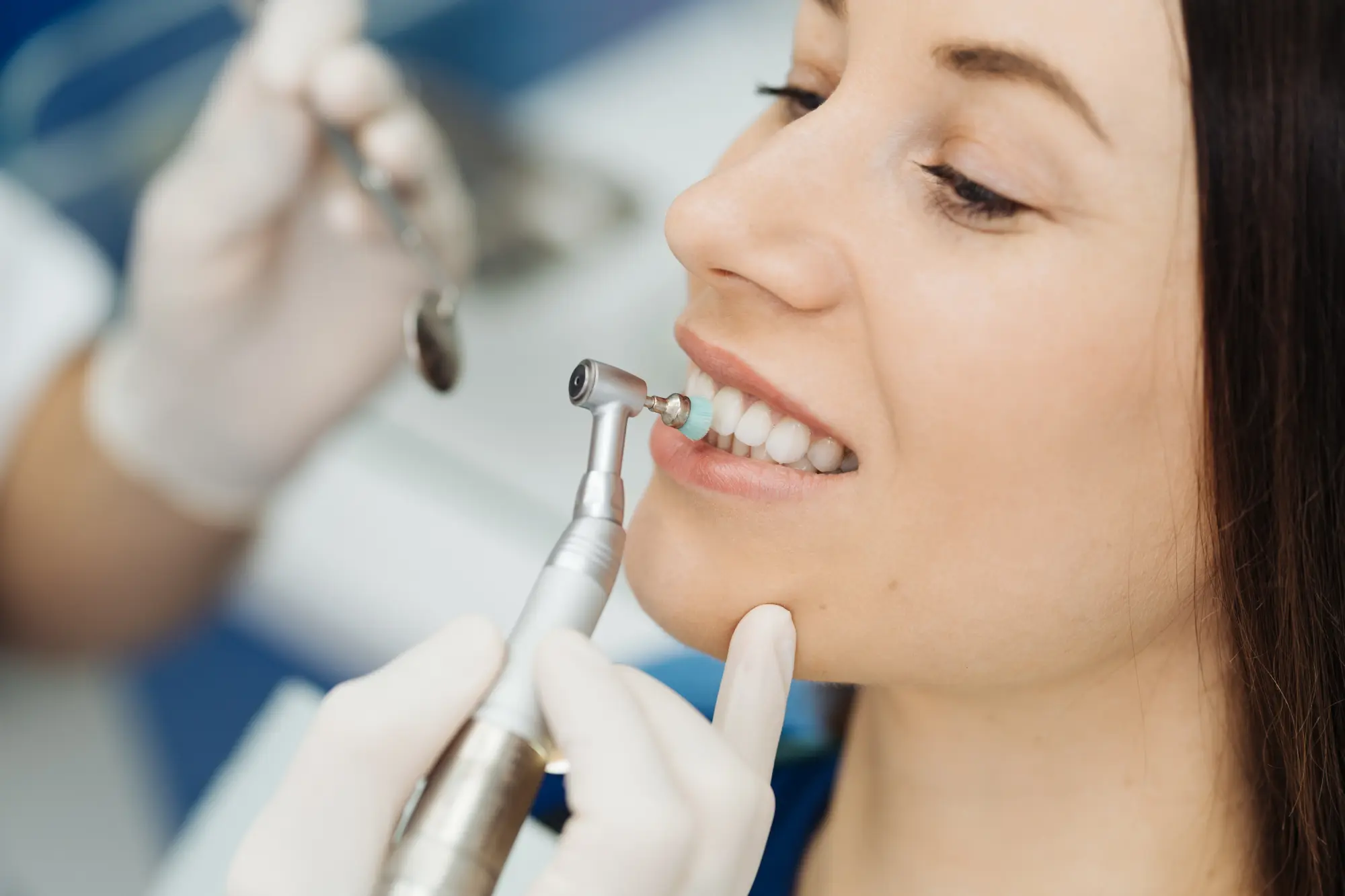
A regular teeth cleaning, also known as prophylaxis, is the type of standard dental cleaning most people are familiar with. It’s designed for patients with healthy gums and minimal plaque buildup. During this type of visit, we focus on preventative care to keep your teeth and gums in tip-top shape.
The Process of a Regular Cleaning
Here’s what happens during a regular cleaning with Dr. Chad Silvertooth or Dr. Jack Johnston:
- Plaque and Tartar Removal: Using gentle tools, we’ll remove surface-level plaque and tartar from your teeth and gumline.
- Polishing and Flossing : Your teeth are polished to remove surface stains, then flossed to remove any remaining particles between your teeth. This leaves them feeling smooth and fresh.
- Fluoride Treatment (Optional): A fluoride treatment may be recommended to strengthen enamel and reduce the risk of cavities.
This cleaning is typically recommended every six months, making it an easy and proactive step in your dental care routine. If you have no signs of gum disease, a regular cleaning is all you need to maintain a healthy smile.
What Is a Deep Cleaning?
When gum health issues like periodontal disease start to develop, a regular cleaning may not be enough. A deep cleaning, also called “scaling and root planing,” is a focused treatment aimed at removing bacteria, plaque, and tartar below the gumline.
This procedure is only necessary if you have gum disease, and is not required for patients who have healthy gums. Along with lifestyle changes, antibiotics, and routine periodontal cleanings in the future, deep cleanings can stop and reverse the early effects of gum disease before they lead to more severe complications.
Signs You Might Need a Deep Cleaning
If you’re wondering whether a deep cleaning might be necessary, here are some signs to watch out for:
- Red, swollen, or bleeding gums
- Persistent bad breath (halitosis)
- Receding gums
- Loose teeth
- Build-up of plaque and tartar along or below the gumline
The Process of a Deep Cleaning
Deep cleanings are more comprehensive compared to regular cleanings and are usually performed over two separate visits, with half of your mouth being cleaned during each one. Here’s what you can expect:
- Scaling: Plaque and tartar are meticulously removed from both above and below the gumline, even reaching into periodontal pockets.
- Root Planing: The roots of your teeth are smoothed out to eliminate periodontal “pockets,” and discourage bacteria from accumulating. This helps your gums reattach to your teeth.
- Localized Antibiotics (If Needed): In some cases, topical antibiotics may be applied to fight infection in specific areas.
At Silvertooth Family Dental, we use advanced technology like microscopes and precision equipment to make this process as efficient and comfortable as possible. Many of our patients are surprised at how pain-free and effective deep cleaning can be, especially when guided by a welcoming, experienced team.
Why Do Deep Cleanings Matter?
Gum disease doesn’t just affect your smile. It can impact your overall health. Studies have linked untreated gum disease to serious conditions like heart disease, diabetes, and even Alzheimer’s. By addressing gum health issues early with a deep cleaning, you’re not just protecting your teeth. You’re safeguarding your overall wellbeing.
On top of that, deep cleanings can help prevent tooth loss and reverse bacteria buildup that causes bad breath and inflammation. Periodontal care provides a foundation for better oral health, and we’re dedicated to providing a personalized, family-like approach to help you achieve it.
How Do You Know Which Cleaning You Need?
The best way to know whether you need a regular or deep cleaning is by booking a dental evaluation. During your visit, Dr. Silvertooth or Dr. Johnston will carefully assess the health of your teeth and gums, using X-rays and other advanced tools to measure pocket depth and detect problem areas. From there, we’ll recommend a cleaning that’s perfectly tailored to your needs, always with transparent pricing and no hidden fees.
Gentle, Comfortable Cleanings in Longview, TX
At Silvertooth Family Dental, we’re all about making dental visits as comfortable and stress-free as possible. Whether you’re here for a routine cleaning or require periodontal treatment, you’ll be met with gentle care, advanced technology, and a warm, supportive team committed to your health and satisfaction.
Why Choose Silvertooth Family Dental?
- Comfort-First Care: We understand that dental cleanings can feel intimidating, especially for those with dental anxiety. That’s why we go above and beyond to ensure pain-free visits using gentle techniques.
- No Surprises: With our straightforward pricing and commitment to transparency, you’ll always know what to expect.
- Patient-Centered Approach: Your goals and comfort are our top priority. We treat every patient like family, building lasting relationships rooted in trust.
Ready to Protect Your Smile? Contact Us Today!
Whether you’re due for a regular cleaning or you’re concerned about your gum health, Silvertooth Family Dental in Longview, TX, is here to help. Give us a call at (903) 983-1919 to schedule your appointment today. Our friendly, family-focused team is ready to create a personalized care plan that keeps your smile healthy and happy for years to come. Don’t wait! Take the first step toward better oral health now!
Book a Consultation
It’s easy and free!